• Skip to primary navigation
  • Skip to main content

Learn more about our 14 day free trial!

The Flostate

The Flostate

Movement that Matters

  • Login
  • Classes
    • Livestream Schedule
    • In Person Classes
    • On Demand Library
    • Try A Free Class
  • Programs
  • Events & Challenges
  • Pricing
    • 14-Day Free Trial
    • Membership Benefits
    • Pricing
  • Blog
  • Our Partners
  • About
    • About Flostate
    • Schedule free consult
    • FAQs
    • Contact
    • Meet Our Team
  • Gift Cards
  • Show Search
Hide Search

Health & Wellness

4 Yoga Poses to Improve Shoulder Mobility using Blocks

Alice Halvorson · July 22, 2025 ·

Unlock strength, ease, and freedom in your upper body

Tight shoulders can sneak into our lives from all angles—long hours at a desk, heavy lifting, stress, or even poor posture. The result? Discomfort, limited range of motion, and tension that can ripple into the neck and back.

Fortunately, your yoga mat offers more than just a reset—it’s a place to rebuild mobility and restore ease. These four poses, each enhanced with yoga blocks, are designed to open the chest, create space in the shoulder joints, and gently stretch surrounding muscle groups.

Let’s break them down.

Fish Pose (Supported Matsyasana)

Opens the chest, shoulders, and throat

Using blocks under your upper back and head, supported fish pose is a powerful heart opener that gently draws the shoulders back and down. It reverses the effects of forward hunching (hello, laptops and phones) and promotes better posture by creating space across the collarbones.

How to do it:

  • Place one block at medium or low height under your upper back (right below your shoulder blades).
  • Place a second block (lower height) under your head.
  • Allow your arms to rest out wide, palms facing up.
  • Breathe deeply and soften into the support.

Pro tip: If you feel compression in your lower back, adjust the height of the block under your spine or bend your knees.

Thread the Needle (with Block Support)

Releases tension in the upper back, shoulders, and neck

This gentle twist targets the posterior shoulder (especially the rotator cuff and rhomboids), encouraging both flexibility and circulation. Using a block supports your head or arm, allowing the pose to be more restorative and less about force.

How to do it:

  • Begin in tabletop.
  • Slide your right arm underneath your left, palm facing up, resting your right shoulder and ear on a block for support.
  • Reach your left arm forward or wrap it behind your back.
  • Hold and breathe, then switch sides.

Pro tip: Focus on relaxing the muscles between your shoulder blades and letting gravity assist the stretch.

Camel Pose (Ustrasana) with Blocks

Opens the chest, shoulders, and hip flexors

Camel pose is a deep heart opener—but it can feel intense without proper support. Adding blocks brings the ground closer to you, offering stability and encouraging safer alignment while you work into shoulder extension.

How to do it:

  • Come to a kneeling position.
  • Place two blocks behind you at your ankles (choose a height that’s reachable).
  • Place your hands on the blocks as you lift your chest and press your hips forward.
  • Draw your shoulder blades together as you gently lean back.

Pro tip: Keep your chin tucked slightly if your neck feels strained, or lift the gaze if your spine allows it.

Extended Child’s Pose (Supported Balasana)

Lengthens the spine and stretches the shoulders

When held with intention, extended child’s pose becomes a beautiful shoulder opener. Adding blocks under the forearms allows the arms to elevate slightly, intensifying the stretch through the armpits and upper back while encouraging the chest to melt down.

How to do it:

  • Start in a kneeling position with big toes touching, knees wide.
  • Place your forearms on blocks as you extend your arms forward.
  • Let your chest soften toward the mat.
  • Breathe slowly, relaxing your shoulders away from your ears.

Pro tip: Add a folded blanket under your hips or chest if you want extra support or need to modify the depth of the pose.

Why Shoulder Mobility Matters

Strong and mobile shoulders are essential for almost everything—lifting, reaching, even breathing more efficiently. But it’s not just about flexibility; it’s about creating functional range of motion supported by breath, control, and awareness.

Yoga blocks are your allies here. They help you customize depth, reduce strain, and access postures in a way that serves your unique body—making each pose more sustainable and effective.

Questions? Email us at info@theflostate.com

Why It’s Fun to Do a Road Race (Even If You Don’t Feel Ready)

Alice Halvorson · July 21, 2025 ·

You’ve seen the race flyers. Maybe you’ve even clicked through to the event page once or twice. You’re tempted to sign up—but then that little voice pipes up:

“I’m not in shape. I haven’t trained. I don’t want to be the last one out there.”

Here’s the truth: You don’t have to feel ready to have an amazing time at a road race. In fact, some of the most fun, inspiring, and unforgettable race day moments happen for the people who just show up anyway.

Whether you walk, jog, run, or do a little bit of everything—racing is about more than the finish line. It’s about connection, energy, and stepping out of your comfort zone in the best possible way.

Here’s why it’s worth it—even if you don’t feel “race ready”:

1. The Energy is Electric

There’s something special about being surrounded by people moving toward the same goal. Music is pumping, volunteers are cheering, high-fives are flying—it’s hard not to catch the buzz. Whether you’re there with friends or flying solo, the energy of race day is uplifting and contagious.

2. You Don’t Have to Race to Participate

This isn’t about beating a clock or proving anything. Many people walk the entire 5K. Some stop for selfies. Some show up in costumes! The beauty of races like the Live Brave 5K is that they welcome everyone. You set your pace. You run your race.

3. You Might Surprise Yourself

One of the most empowering moments is realizing you’re doing something you once doubted. Whether it’s your first mile or your 500th, finishing a race (even slowly) feels so good. That finish line moment? Instant confidence boost. Bonus: it also makes for a great photo.

4. It’s Fun With Friends (or Friendly Strangers)

Bring your bestie, your neighbor, your coworkers, or come solo and soak in the camaraderie. Road races are filled with strangers who feel like teammates. You’ll laugh, encourage each other, and maybe even make a new friend.

5. You’ll Walk Away With Swag—and a Story

T-shirts, medals, team gear…sure, those are fun. But what you really walk away with is a sense of pride and the story that you showed up. That you did something bold and brave (even when you weren’t sure you could). That’s worth celebrating.

So… Should You Sign Up?

If you’ve been on the fence about registering for a race—take this as your sign. You don’t need to train for weeks. You don’t need to be fast. You don’t even need to run. All you need is the courage to show up and enjoy the ride.

And hey, if you’re looking for a supportive, high-energy, purpose-driven event to start with… we happen to know a good one. 😉

👉 Join us for the Live Brave 5K and 1 Mile on August 9th and participate with the Flostate Team! Live Brave benefits eating disorder awareness, prevention and recovery initiatives and was founded by Flostate Co-Owner, Alice Halvorson.

Register here. Select “yes” to join a team and choose “Flostate Fitness” from the dropdown list of teams.

Because showing up as you are is more than enough. And once you cross that finish line—you’ll be so glad you did.

Strategic Aging: Protein, Strength Training & the Perils of Sugar

Rachel Larson · June 30, 2025 ·

We used to think aging was just about slowing down. Now, we know better. Aging well is strategic. It’s about knowing what your body needs most in this season of life—and making small, sustainable shifts that support your energy, strength, and overall wellbeing.

Three of the most powerful levers you can pull?
Protein. Strength Training. And saying “no thanks” to excess sugar.

Here’s why these matter more than ever—and how to start applying them today.


1. Protein: Fuel for Muscle, Bone & Brain

As we age, we naturally lose muscle mass—a process called sarcopenia. But this isn’t inevitable. With enough quality protein and strength-based movement, we can slow or even reverse that loss.

Why protein matters now:

  • Supports muscle repair and lean tissue maintenance
  • Aids in bone health and density
  • Helps manage hunger and blood sugar
  • Supports brain function and energy levels

💡 What to do:
Aim for 20–30g of protein per meal, especially at breakfast (which is often the most overlooked). Include lean meats, eggs, Greek yogurt, cottage cheese, legumes, or plant-based protein powders.


2. Strength Training: Your Anti-Aging Superpower

Forget the myth that cardio is king. While walking and movement are vital, strength training is what truly keeps you capable, mobile, and independent as you age.

Benefits of strength training after 40:

  • Improves balance, posture, and bone density
  • Preserves muscle and joint health
  • Enhances metabolism and insulin sensitivity
  • Boosts confidence, energy, and resilience

💪 At Flostate, our mindful strength classes are designed for longevity—not extremes. Whether you’re new to lifting weights or returning after time away, we make it approachable, safe, and effective.

🗓️ Check out our strength classes at https://theflostate.com/on-demand/


3. Sugar: The Quiet Saboteur

We all know sugar isn’t great for us—but its effects go beyond weight. Excess sugar can fuel inflammation, accelerate aging, and mess with hormones, brain health, and mood.

Too much sugar can:

  • Disrupt sleep and energy
  • Trigger joint pain and inflammation
  • Increase risk of type 2 diabetes and cognitive decline
  • Decrease skin elasticity and collagen production

🍬 What to do:
You don’t need to cut it all out—but try to limit added sugars, especially in processed foods, sweetened yogurts, and beverages. Focus on whole, satisfying meals that stabilize your blood sugar.


Start Where You Are. Build from There.

There’s no one-size-fits-all approach to aging well—but strategy matters. Small shifts in how you eat and move can lead to more energy, less pain, better sleep, and a greater sense of control over your health.

You’re not too late. You’re not behind. This is your time to move with purpose and support your body in a way that actually works.

🌿 Want help getting started? Join us for a class or reach out—we’re here to help you feel stronger, steadier, and more at home in your body.

📬 Let’s connect. Email us at info@theflostate.com
🧘‍♀️ Explore classes at https://theflostate.com/on-demand/

Daily Mobility Flow for Desk Workers

Rachel Larson · June 30, 2025 ·

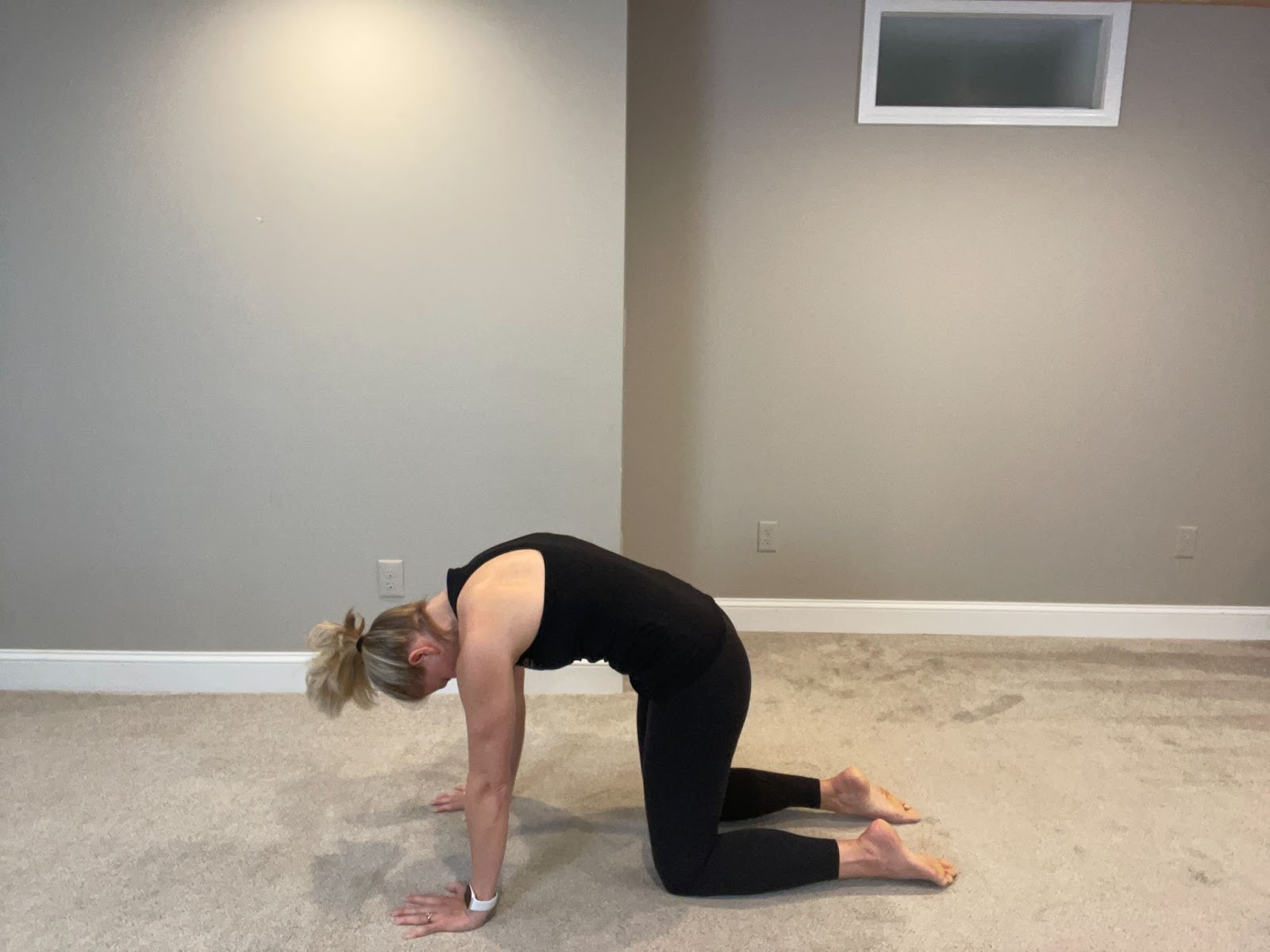
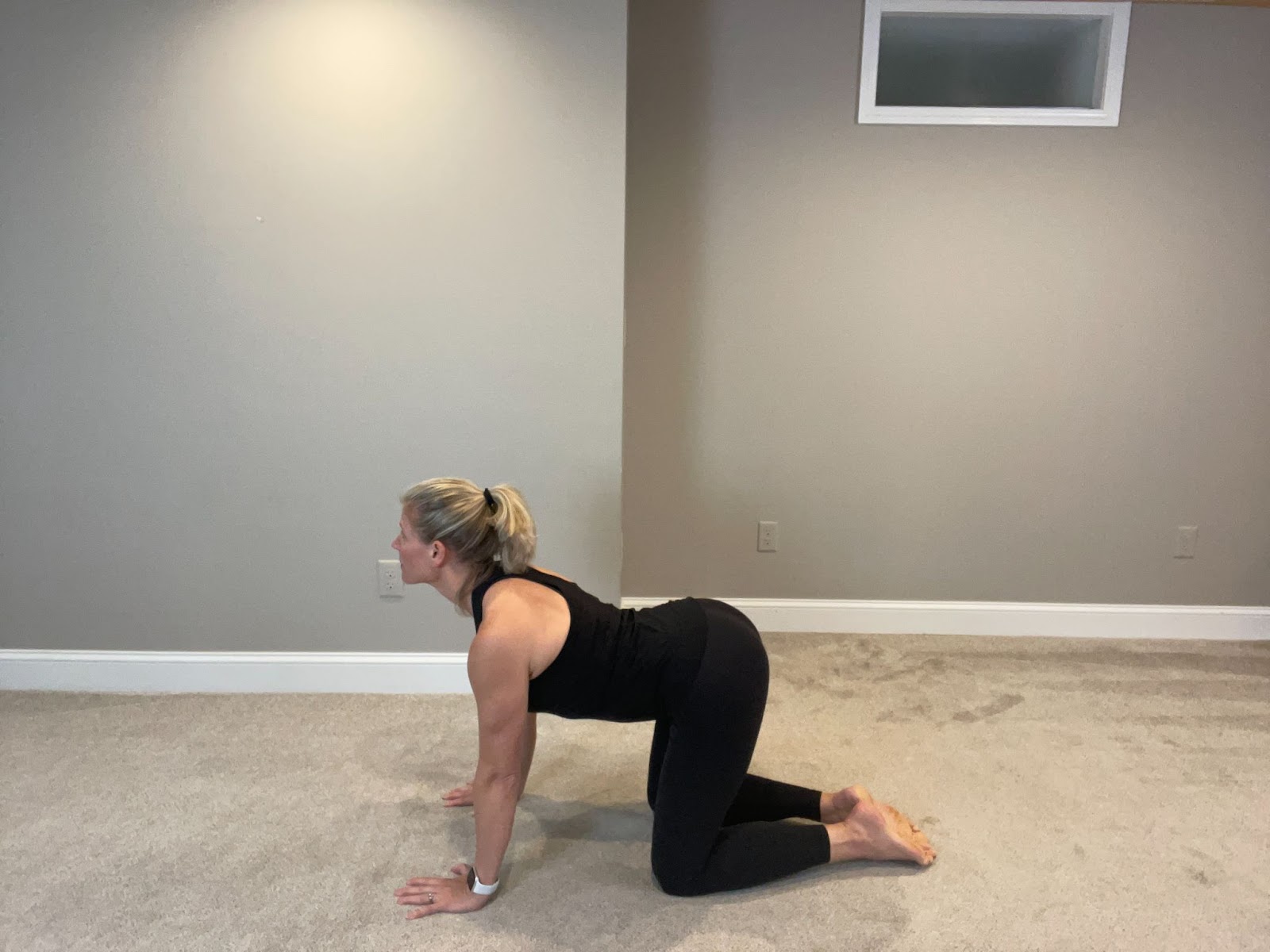
If you spend long hours sitting at a desk, you’re not alone. Over time, this stillness can lead to stiff hips, rounded shoulders, and aching backs—not to mention a lack of energy. The good news? A few intentional minutes of daily movement can go a long way in restoring mobility, posture, and your sense of well-being.

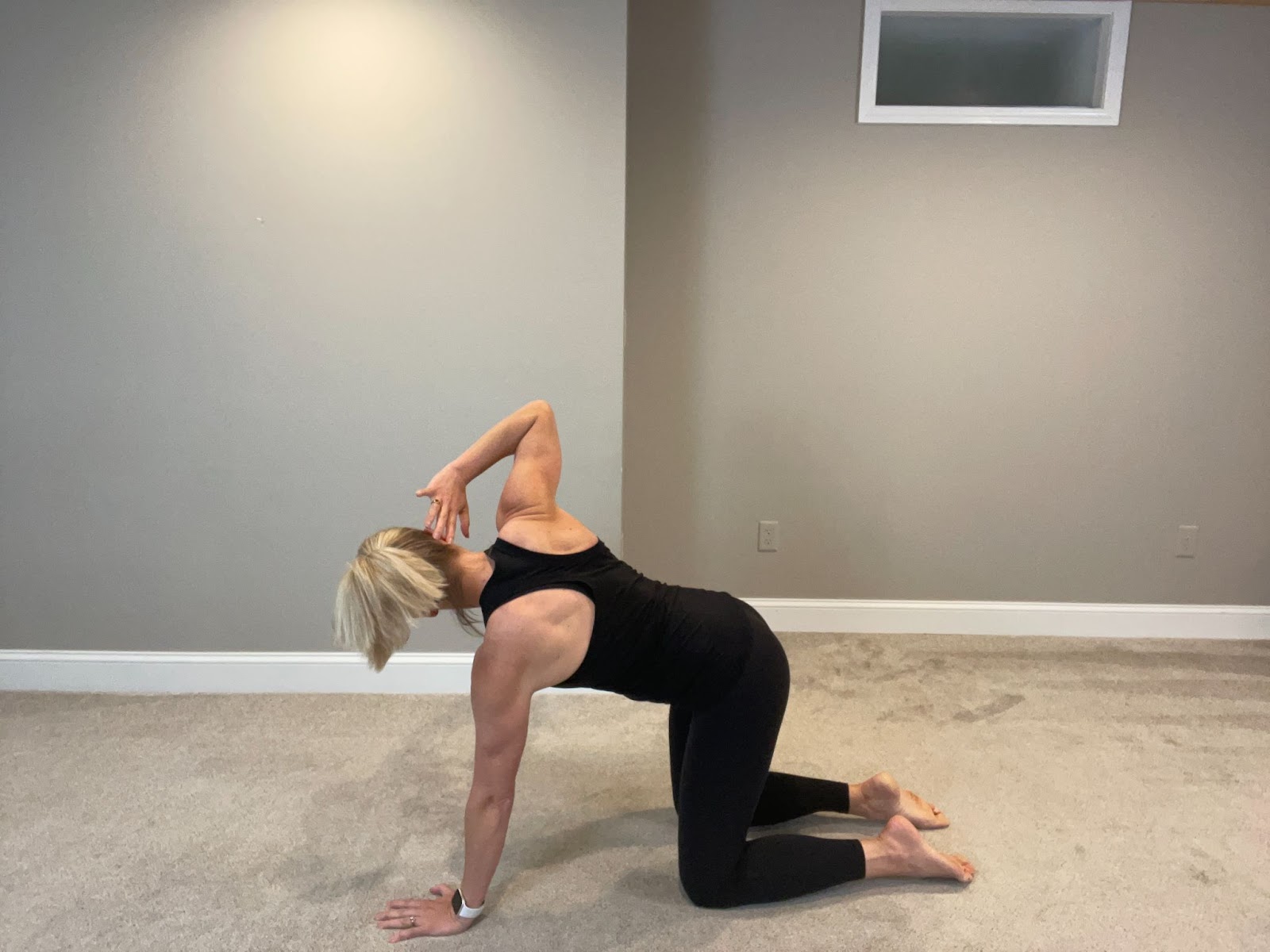
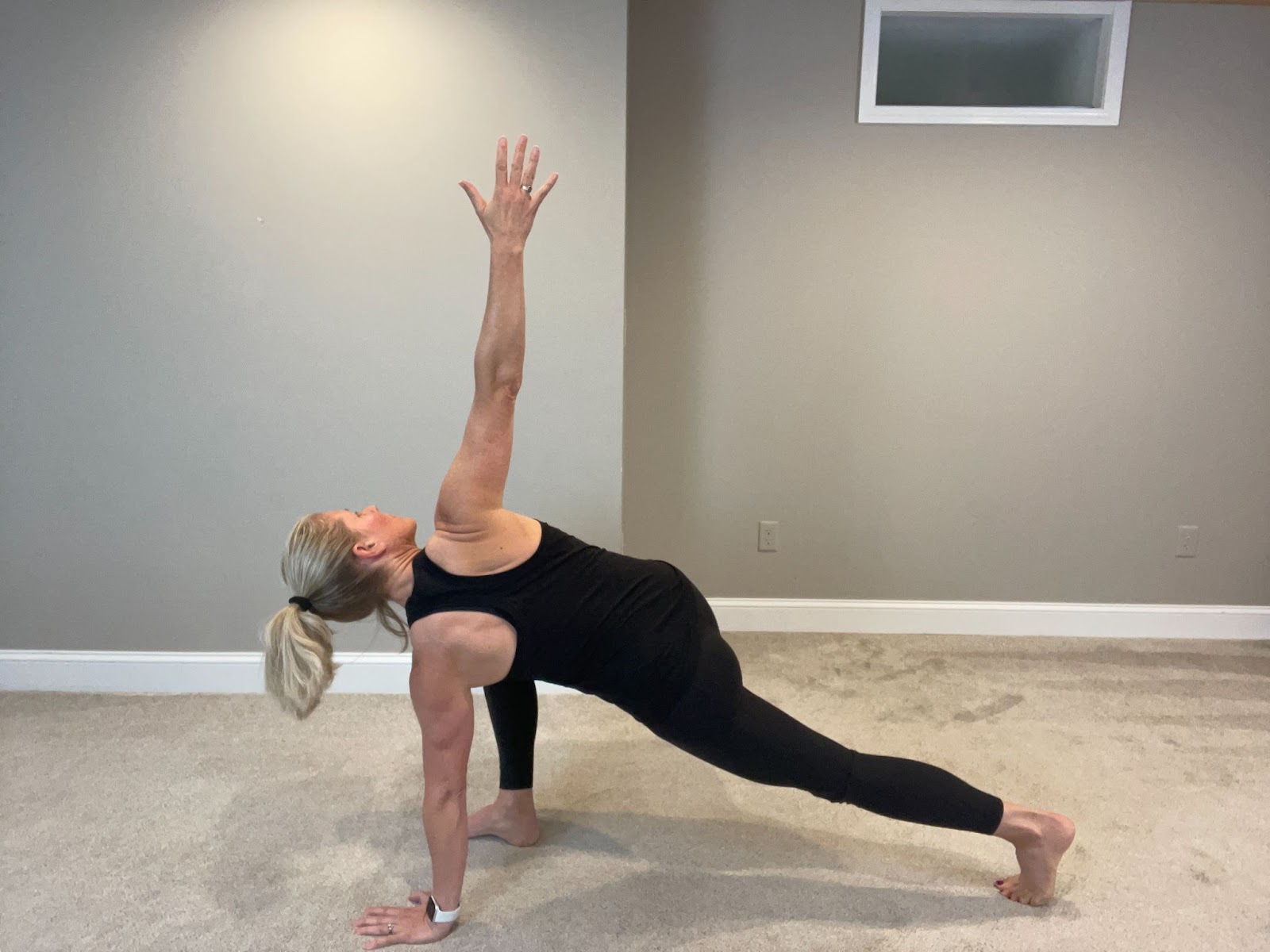
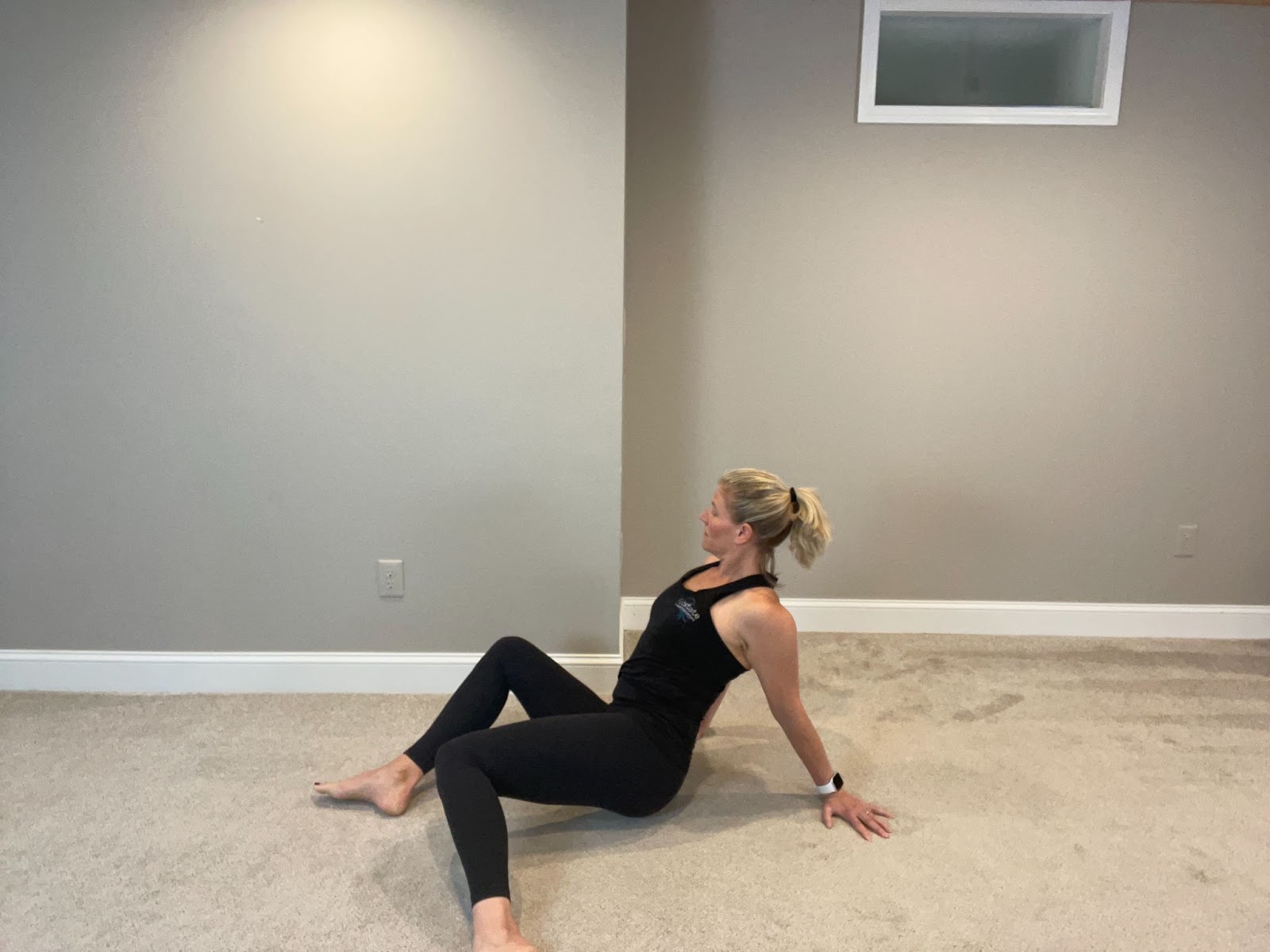
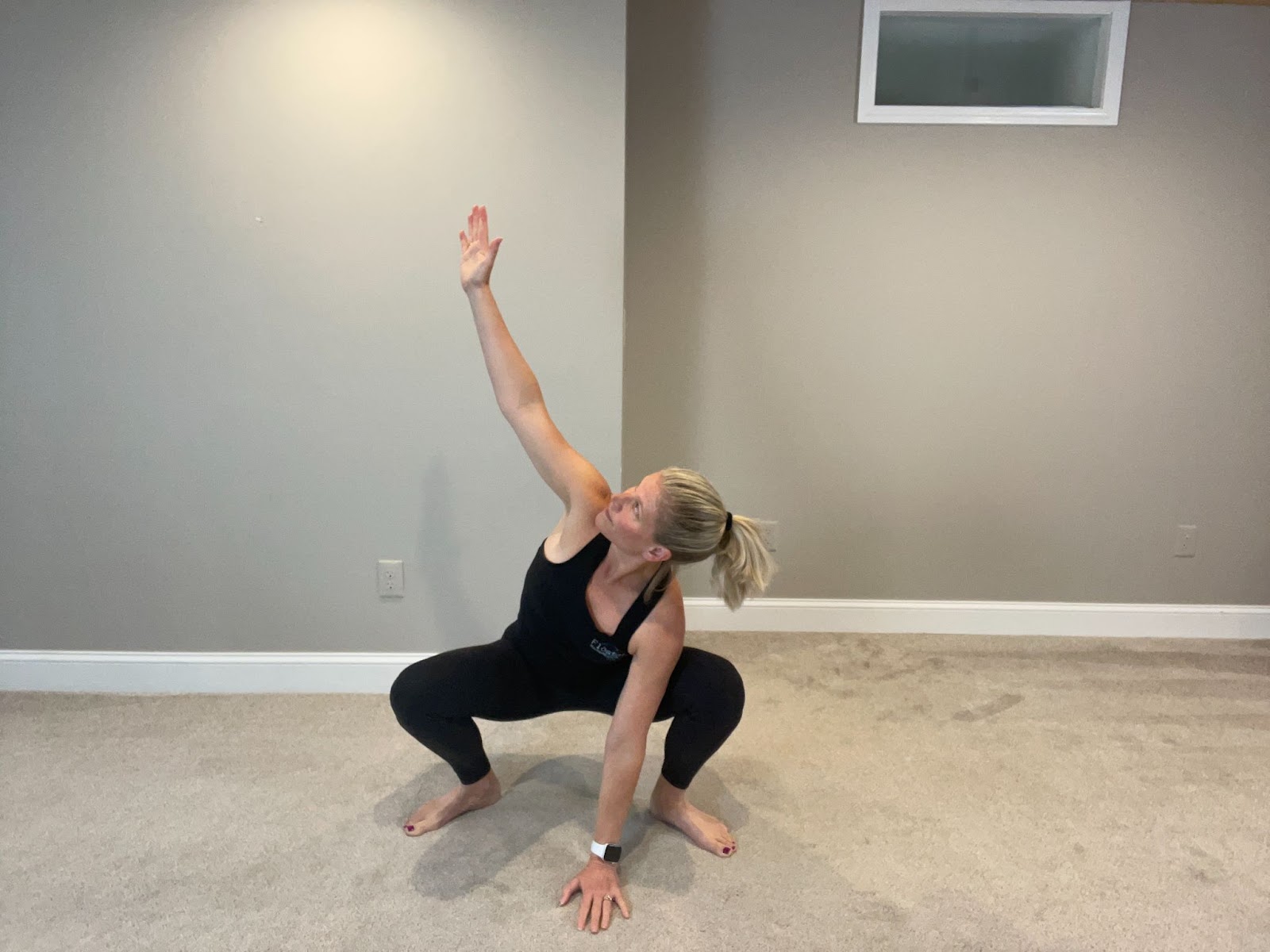
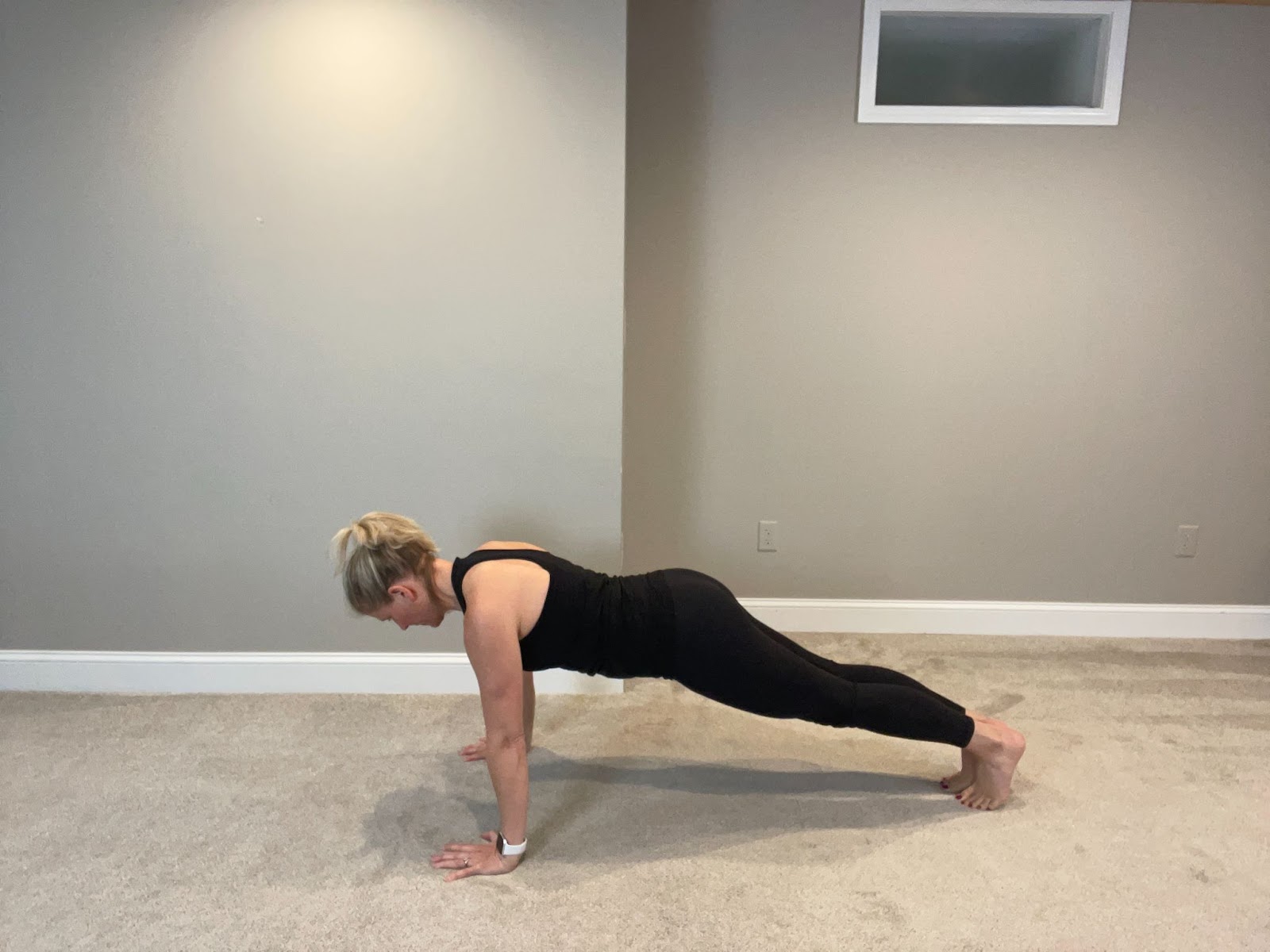
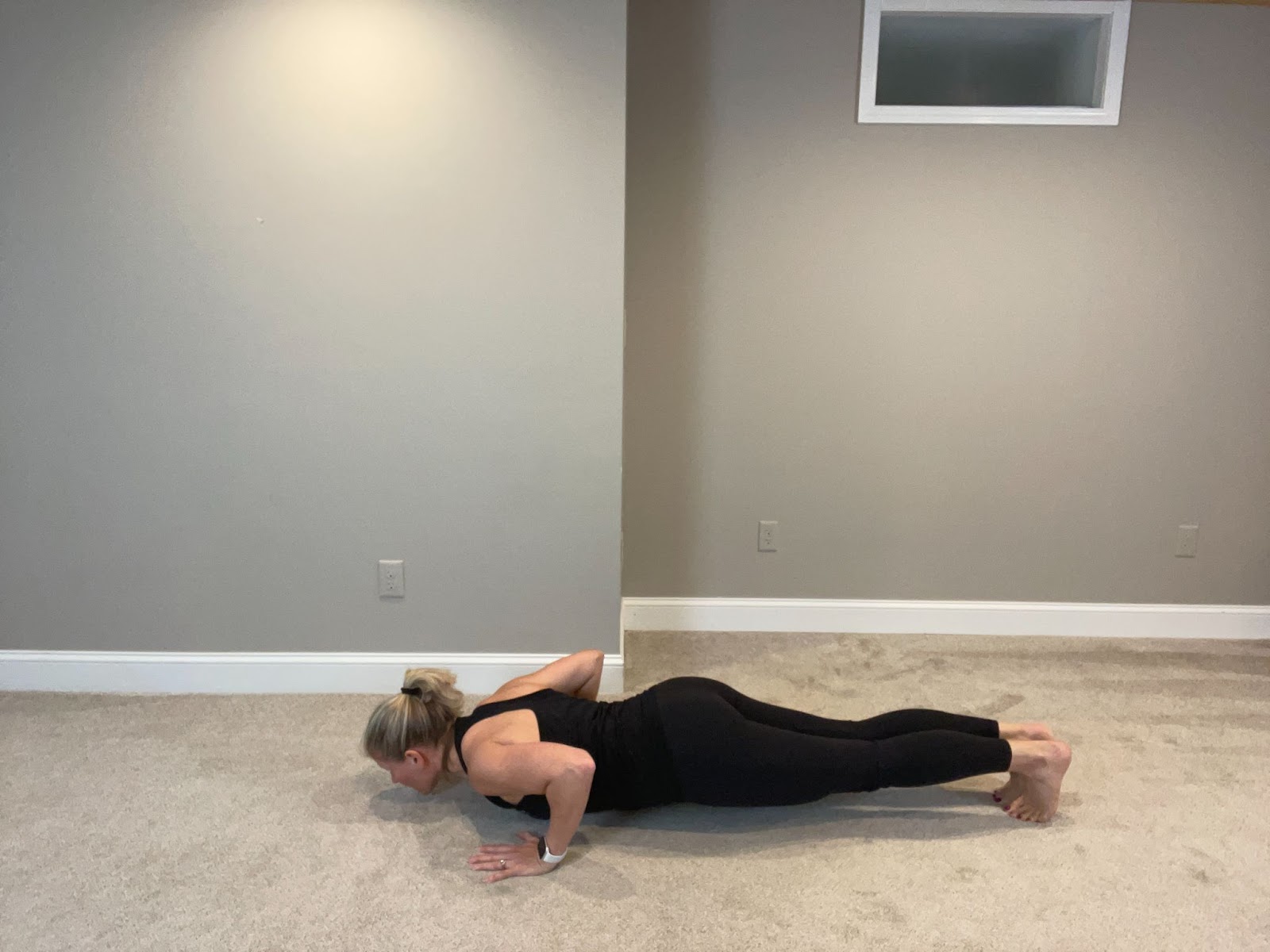
This short sequence is designed specifically for desk-bound bodies. You don’t need any equipment—just a bit of floor space, a countertop, and your breath. See corresponding images below!

Cat-Cow (Spinal Flexion & Extension) – 1 minute

This gentle flow is like a wake-up call for your spine.

  • Start on hands and knees in a tabletop position.
  • Inhale: Arch your back, lifting your head and tailbone (Cow).
  • Exhale: Round your spine, tucking chin and pelvis (Cat).
  • Move with your breath for 8–10 slow, nourishing rounds.
  • Option: Externally rotate your hands to point to  your knees for added forearm stretch

Thoracic Rotations – 1 minute (30 seconds per side)

Unlock tightness in your mid-back and shoulders.

  • Stay in your tabletop position.
  • Place one hand behind your head.
  • Rotate your upper body open, pointing your elbow toward the ceiling.
  • Slowly return and repeat 5–8 times, then switch sides.

World’s Greatest Stretch – 30–60 seconds per side

A full-body stretch that hits your hips, spine, hamstrings, and shoulders all at once.

  • Step into a deep lunge with both hands on the floor inside your front foot.
  • Option to drop your back knee down for support.
  • Bring your inside elbow toward the ground, then rotate and reach that arm to the sky.
  • Hold and breathe for 30–60 seconds, then switch sides.

90/90 Hip Switches – 30 seconds per side

Wake up your hips and improve internal/external rotation.

  • Sit on the floor with both knees bent at 90° angles and hands behind you.
  • With a tall spine, rotate both legs to the one side, then the other.
  • Repeat the switch 6–8 times per side.

Deep Squat Hold – 1 minute

An incredible posture reset that opens up the hips, ankles, and spine.

  • Stand with feet shoulder-width apart.
  • Sink down into a deep squat, keeping heels flat.
  • Press your elbows into your knees to gently open your hips.
  • Option to reach one arm up to open the chest.

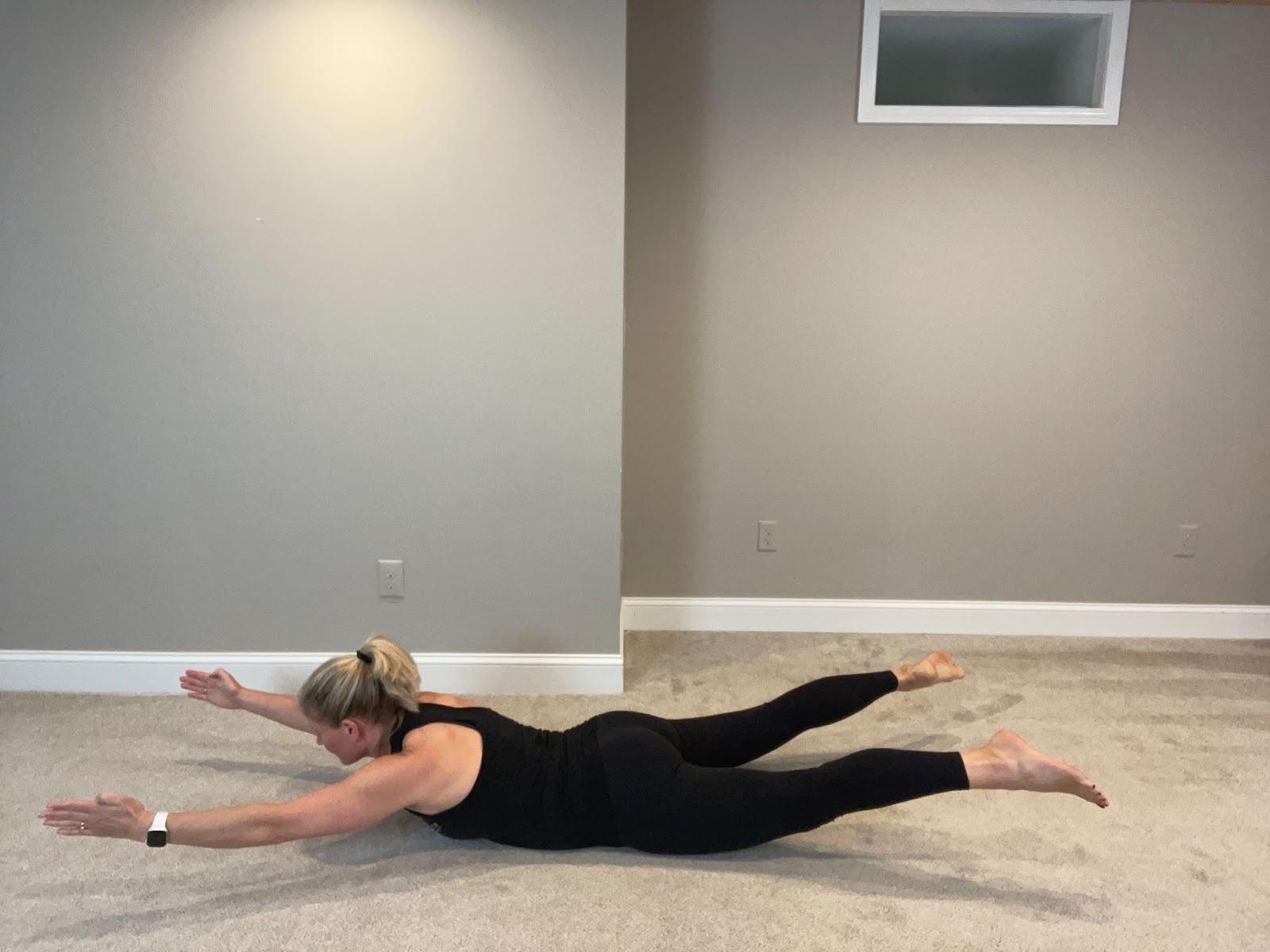
Superman Stretch with Push up – 3-5 times

Improves posture and strengthens posterior chain of the body

  • Start in push up position
  • Lower body to the ground with a straight and strong body
  • Extend arms long into “superman” form
  • Return hands under shoulders and push up to starting position

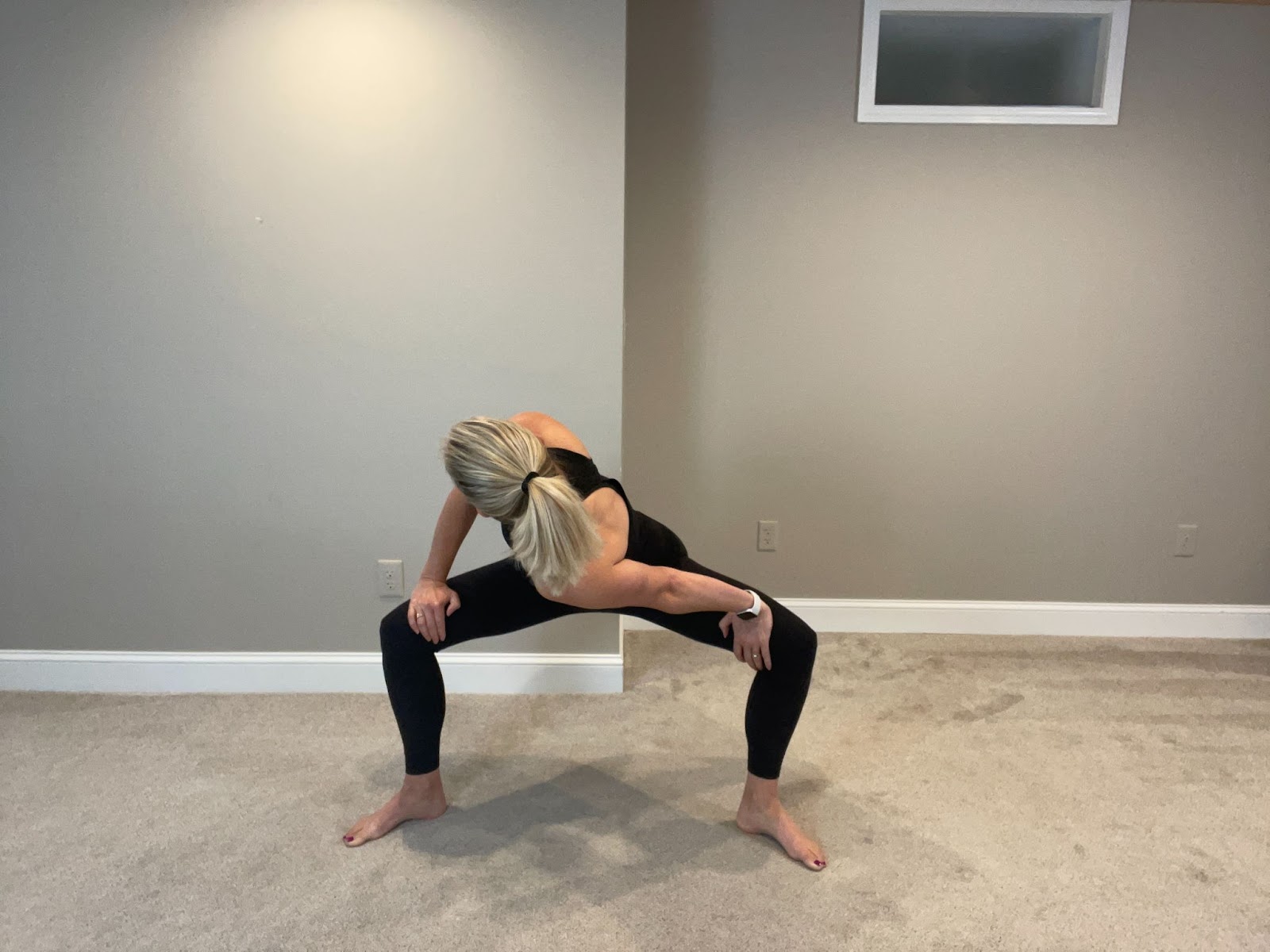
Deep Hip Stretch with Spinal Rotation – 4 times total (2 per side)

Releases spinal tension, mobilizes shoulders and stretches low back and hip complex.

  • Widen feet and sink into deep squat with hands on thighs. 
  • Leaning forward, press hands into thighs as you press one shoulder downward and you rotate the other upward. Look past your top shoulder.
  • Exhale on the twist and contract your abs gently.

Finish With a Few Deep Breaths

Pause for a few moments. Stand tall or rest in Child’s Pose.
Take 3 deep, slow breaths—and notice how much more awake and open your body feels.

Consistency is key 

Doing this simple sequence daily—or even a few times a week—can improve mobility, reduce tension, and help you reconnect with your body. You don’t need to overhaul your schedule. Just pause, move, and breathe.

Your desk-bound body will thank you.

Mindful Strength: Moving with Purpose in Your 50s, 60s, and Beyond

Rachel Larson · June 13, 2025 ·

If your workouts in your 20 were about sweat and your 30s were about juggling everything, your 50s and 60s might be asking a new question: How do I move to feel strong, capable and energized for the long haul?

You’re not chasing six-packs for personal records anymore. You’re chasing vitality – ease in your joints, confidence in your step and the ability to keep doing what you love for decades to come.

This is where mindful strength comes in.

What is Mindful Strength?

Mindful strength training is about building functional strength – not for performance but for life. It means moving intentionally, listening to your body, and focusing on the muscles and movements that support your daily activities:

  • Lifting groceries with ease
  • Getting up and down from the floor
  • Keeping balance on a walk or hike
  • Feeling steady and strong as you move through your day

It’s strength that feels good and does good – for your bones, your posture, your mood and your future.

Why it matters more than ever after 50

Aging isn’t something to fight, it’s something to move with. But that movement has to be smart. Here’s why strength training is essential in midlife and beyond:

  • Preserves bone density to reduct the risk of fractures
  • Improves balance and coordination to help prevent falls
  • Boosts metabolism and supports joint health
  • Supports independence by keeping everyday tasks easier
  • Lifts mood and combats brain fog with better blood flow and energy

The key? Doing it consistently and doing it in a way the supports your body rather than punishing it.

What Mindful Strength looks like at Flostate

At Flostate Yoga + Fitness, our strength classes are designed with purpose. We’re not shouting over music or pushing people to exhaustion. We’re teaching strength that meets you where you are – whether you are rebuilding after an injury, returning after time away or simply ready to feel stronger and more connected to your body.
Here is what to expect.

  • Functional movements that mimic real-life tasks (like squatting, reaching and carrying)
  • Mindful pacing with plenty of cues, options and breath awareness
  • Balanced workouts that build strength without burnout
  • Supportive coaching that encourages progress without pressure

Ready to Build Strength That Serves You?

We’d love to help you get started. Check out our strength classes (virtual and in-person) and on-demand Daily Lift Program. Find it all right here on our website.

Have questions? Let’s chat. You can sign up for a free 30 minute consultation with Alice or Rachel. We’ll help you find the right fit for your body and your goals. Or email us at info@theflostate.com.

  • « Go to Previous Page
  • Page 1
  • Page 2
  • Page 3
  • Page 4
  • Page 5
  • Interim pages omitted …
  • Page 7
  • Go to Next Page »

Join us on Social Media!

  • Email
  • Facebook
  • Instagram
  • YouTube

The Flostate | PO Box 251155, Woodbury, MN 55125 | info@theflostate.com | 651-412-1778

The Flostate

Copyright © 2026 Flostate · All Rights Reserved · Log in