• Skip to primary navigation
  • Skip to main content

Learn more about our 14 day free trial!

The Flostate

The Flostate

Movement that Matters

  • Login
  • Classes
    • Livestream Schedule
    • In Person Classes
    • On Demand Library
    • Try A Free Class
  • Programs
  • Events & Challenges
  • Pricing
    • 14-Day Free Trial
    • Membership Benefits
    • Pricing
  • Blog
  • Our Partners
  • About
    • About Flostate
    • Schedule free consult
    • FAQs
    • Contact
    • Meet Our Team
  • Gift Cards
  • Show Search
Hide Search

Stretching

Pickleballers Need Yoga — Here’s Why

Rachel Larson · August 13, 2025 ·

Pickleball is fast-paced, fun, and surprisingly demanding on your body. Whether you’re a weekend warrior or a daily doubles regular, the quick stops, starts, pivots, and overhead smashes can leave you feeling stiff—or worse, sidelined with an injury.

That’s where yoga comes in. Try this FREE 20 minute class – just for pickleballers!

Strong + Mobile Joints = Fewer Injuries

Pickleball puts a ton of stress on the knees, ankles, hips, shoulders, and wrists. Yoga strengthens the stabilizing muscles around those joints and improves your range of motion. That means:

  • Fewer rolled ankles and tweaked knees
  • Less shoulder strain on overhead shots
  • More resilient, balanced movement all around

Think of yoga as your insurance policy—and your performance enhancer.

Yoga + Agility: A Winning Combo

The secret to faster footwork and better court coverage? Agility. And it starts with body awareness. Yoga builds:

  • Core strength, to help you pivot and lunge without overloading your joints
  • Single-leg balance, for stability during quick directional changes
  • Breath control, to recover quickly between points and stay calm under pressure

BONUS: Reaction Time Boost

Flow-style yoga enhances your neuromuscular connection—the communication between your brain and muscles. With regular practice, your body gets quicker at responding to unpredictable bounces and fast volleys. You’re not just moving more gracefully—you’re reacting faster.


3 Yoga Tips for Pickleball Agility & Recovery

  1. Try dynamic flows like Warrior 2 to Side Angle to Reverse Warrior to train movement control and hip mobility.
  2. Add balance work like Tree Pose or standing figure 4s after a workout to stabilize the ankles and knees.
  3. Use deep stretches (think Pigeon or Reclined Twist) after play to aid recovery and reduce soreness.

Ready to Serve Up a Smarter Game?

Yoga isn’t just for flexibility—it’s functional training for the court. Whether you’re looking to up your game or just feel better between matches, a little yoga goes a long way.

Join us for a livestream, on demand or in-person yoga class this week—we’d love to help you feel strong, limber, and ready to rally.👉 Explore Our Yoga Classes

Try this FREE 20 minute class on YouTube – just for pickleballers!

4 Yoga Poses to Improve Shoulder Mobility using Blocks

Alice Halvorson · July 22, 2025 ·

Unlock strength, ease, and freedom in your upper body

Tight shoulders can sneak into our lives from all angles—long hours at a desk, heavy lifting, stress, or even poor posture. The result? Discomfort, limited range of motion, and tension that can ripple into the neck and back.

Fortunately, your yoga mat offers more than just a reset—it’s a place to rebuild mobility and restore ease. These four poses, each enhanced with yoga blocks, are designed to open the chest, create space in the shoulder joints, and gently stretch surrounding muscle groups.

Let’s break them down.

Fish Pose (Supported Matsyasana)

Opens the chest, shoulders, and throat

Using blocks under your upper back and head, supported fish pose is a powerful heart opener that gently draws the shoulders back and down. It reverses the effects of forward hunching (hello, laptops and phones) and promotes better posture by creating space across the collarbones.

How to do it:

  • Place one block at medium or low height under your upper back (right below your shoulder blades).
  • Place a second block (lower height) under your head.
  • Allow your arms to rest out wide, palms facing up.
  • Breathe deeply and soften into the support.

Pro tip: If you feel compression in your lower back, adjust the height of the block under your spine or bend your knees.

Thread the Needle (with Block Support)

Releases tension in the upper back, shoulders, and neck

This gentle twist targets the posterior shoulder (especially the rotator cuff and rhomboids), encouraging both flexibility and circulation. Using a block supports your head or arm, allowing the pose to be more restorative and less about force.

How to do it:

  • Begin in tabletop.
  • Slide your right arm underneath your left, palm facing up, resting your right shoulder and ear on a block for support.
  • Reach your left arm forward or wrap it behind your back.
  • Hold and breathe, then switch sides.

Pro tip: Focus on relaxing the muscles between your shoulder blades and letting gravity assist the stretch.

Camel Pose (Ustrasana) with Blocks

Opens the chest, shoulders, and hip flexors

Camel pose is a deep heart opener—but it can feel intense without proper support. Adding blocks brings the ground closer to you, offering stability and encouraging safer alignment while you work into shoulder extension.

How to do it:

  • Come to a kneeling position.
  • Place two blocks behind you at your ankles (choose a height that’s reachable).
  • Place your hands on the blocks as you lift your chest and press your hips forward.
  • Draw your shoulder blades together as you gently lean back.

Pro tip: Keep your chin tucked slightly if your neck feels strained, or lift the gaze if your spine allows it.

Extended Child’s Pose (Supported Balasana)

Lengthens the spine and stretches the shoulders

When held with intention, extended child’s pose becomes a beautiful shoulder opener. Adding blocks under the forearms allows the arms to elevate slightly, intensifying the stretch through the armpits and upper back while encouraging the chest to melt down.

How to do it:

  • Start in a kneeling position with big toes touching, knees wide.
  • Place your forearms on blocks as you extend your arms forward.
  • Let your chest soften toward the mat.
  • Breathe slowly, relaxing your shoulders away from your ears.

Pro tip: Add a folded blanket under your hips or chest if you want extra support or need to modify the depth of the pose.

Why Shoulder Mobility Matters

Strong and mobile shoulders are essential for almost everything—lifting, reaching, even breathing more efficiently. But it’s not just about flexibility; it’s about creating functional range of motion supported by breath, control, and awareness.

Yoga blocks are your allies here. They help you customize depth, reduce strain, and access postures in a way that serves your unique body—making each pose more sustainable and effective.

Questions? Email us at info@theflostate.com

Daily Mobility Flow for Desk Workers

Rachel Larson · June 30, 2025 ·

If you spend long hours sitting at a desk, you’re not alone. Over time, this stillness can lead to stiff hips, rounded shoulders, and aching backs—not to mention a lack of energy. The good news? A few intentional minutes of daily movement can go a long way in restoring mobility, posture, and your sense of well-being.

This short sequence is designed specifically for desk-bound bodies. You don’t need any equipment—just a bit of floor space, a countertop, and your breath. See corresponding images below!

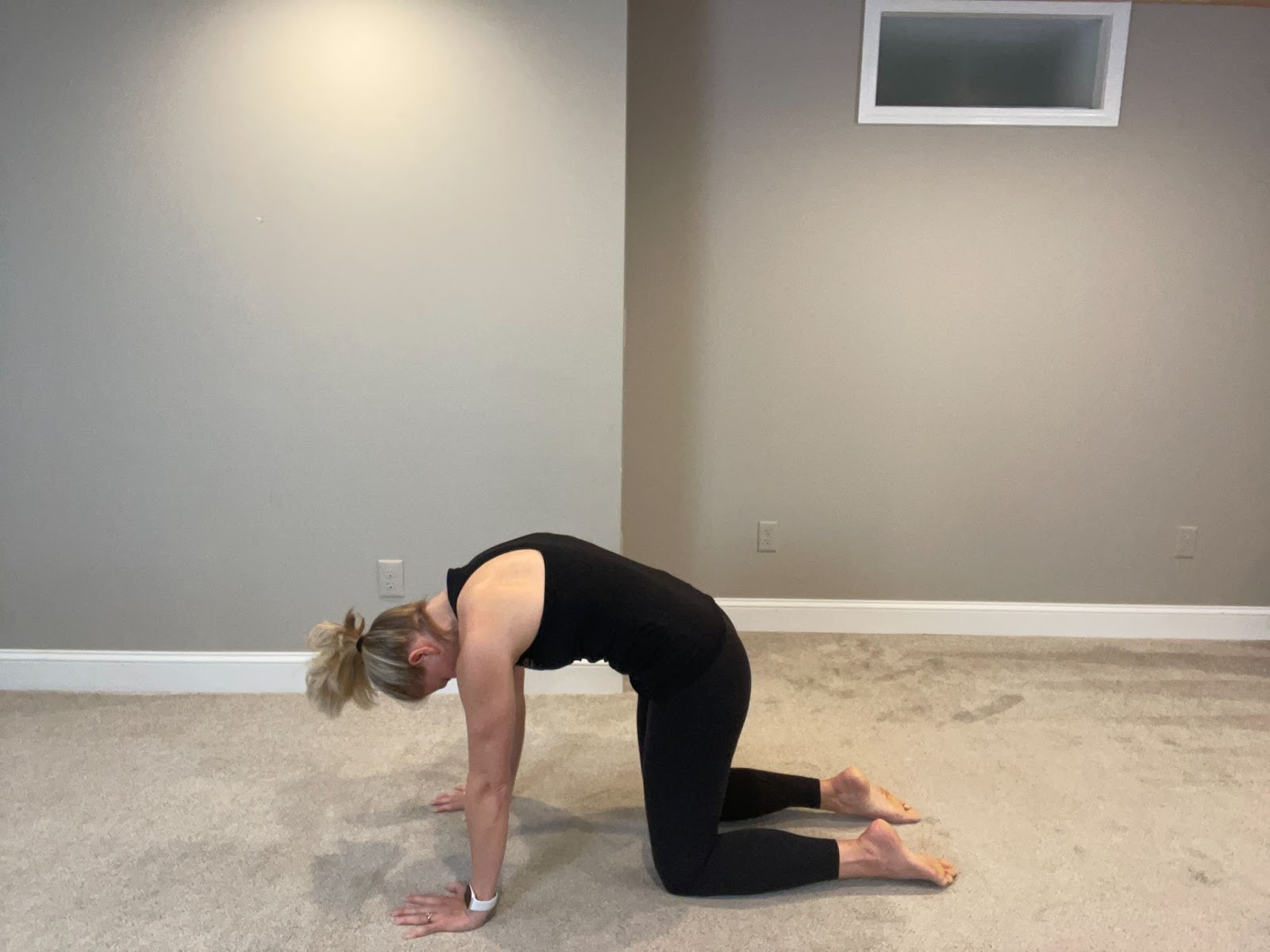
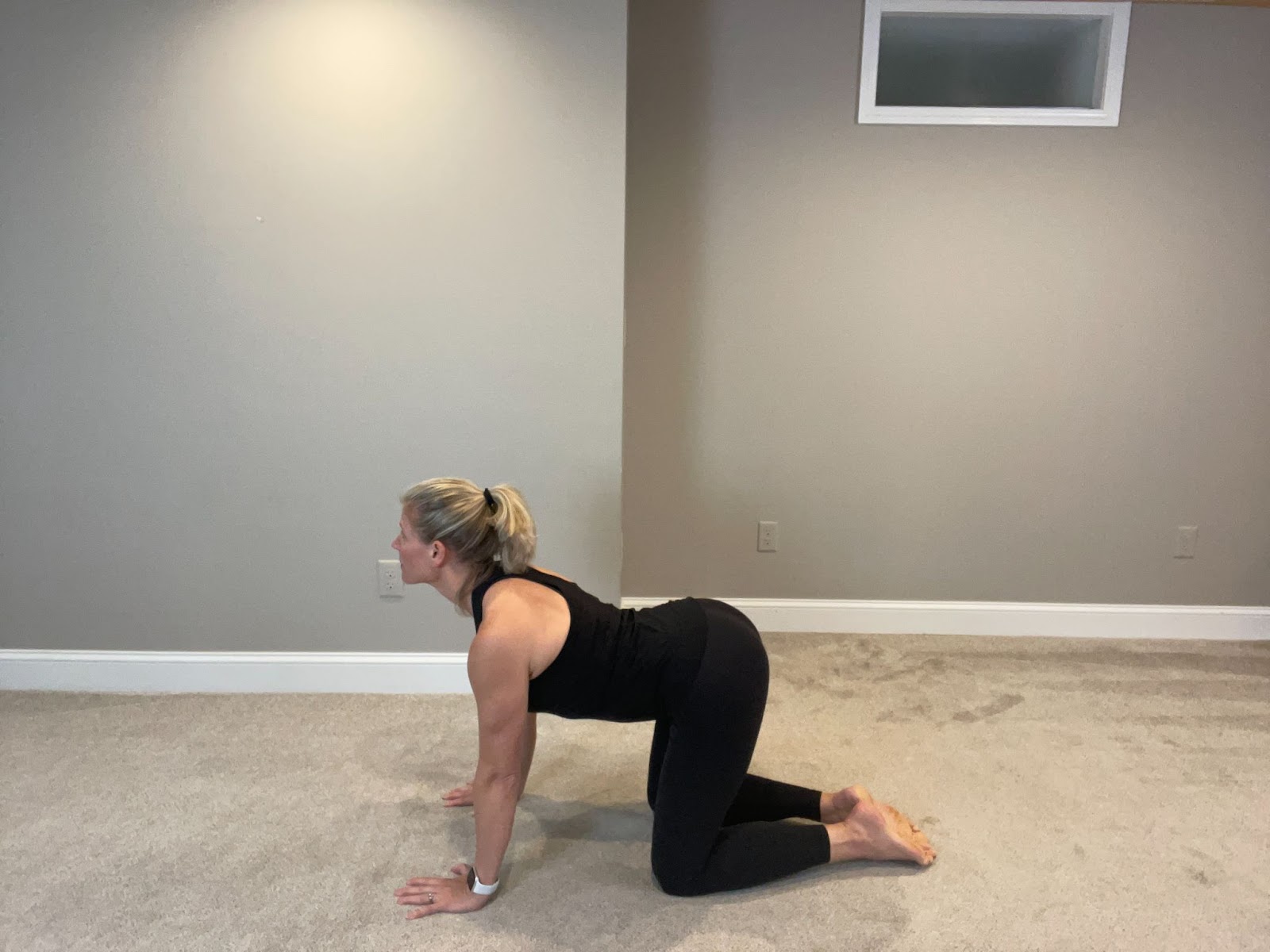
Cat-Cow (Spinal Flexion & Extension) – 1 minute

This gentle flow is like a wake-up call for your spine.

  • Start on hands and knees in a tabletop position.
  • Inhale: Arch your back, lifting your head and tailbone (Cow).
  • Exhale: Round your spine, tucking chin and pelvis (Cat).
  • Move with your breath for 8–10 slow, nourishing rounds.
  • Option: Externally rotate your hands to point to  your knees for added forearm stretch

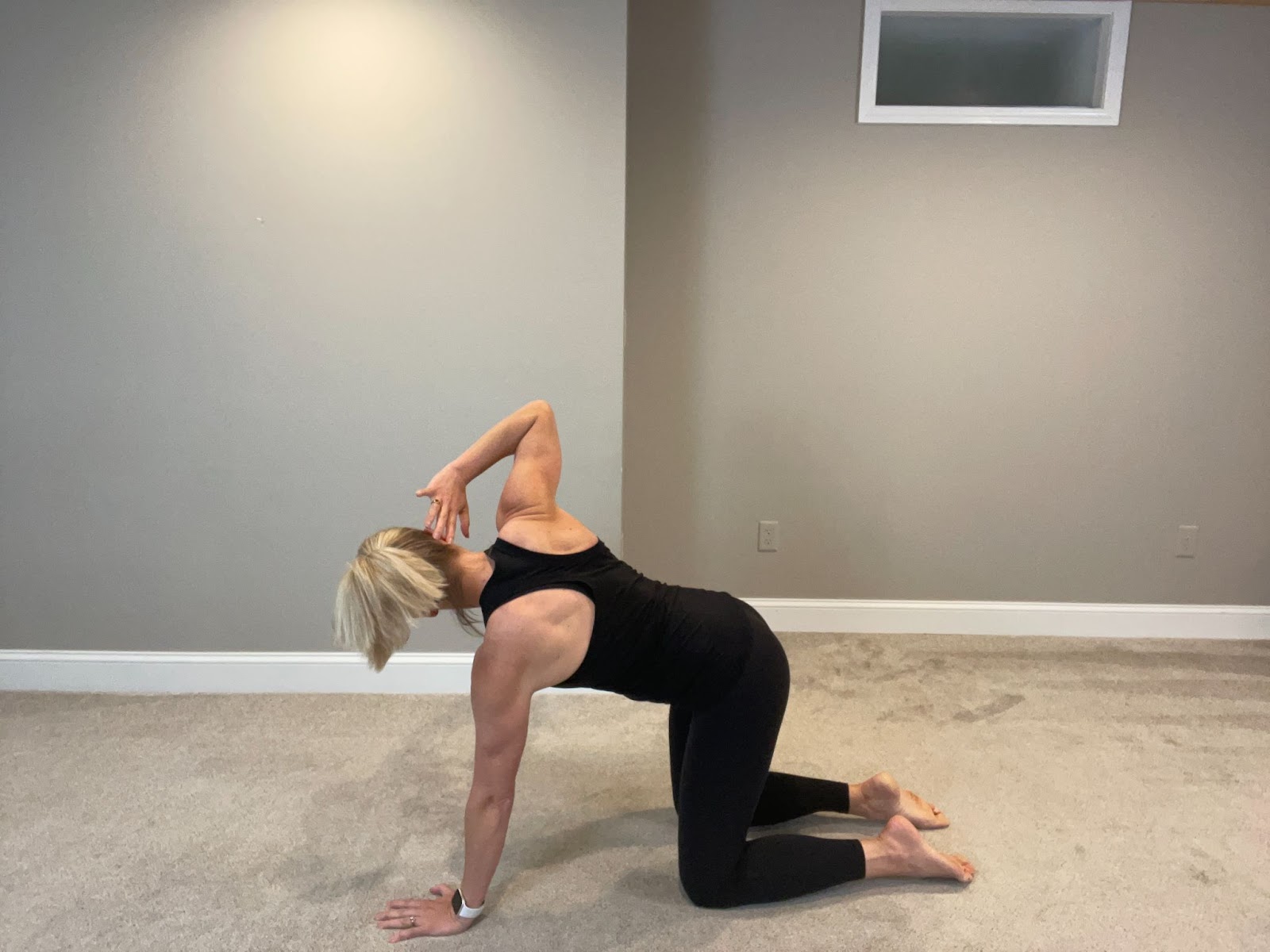
Thoracic Rotations – 1 minute (30 seconds per side)

Unlock tightness in your mid-back and shoulders.

  • Stay in your tabletop position.
  • Place one hand behind your head.
  • Rotate your upper body open, pointing your elbow toward the ceiling.
  • Slowly return and repeat 5–8 times, then switch sides.

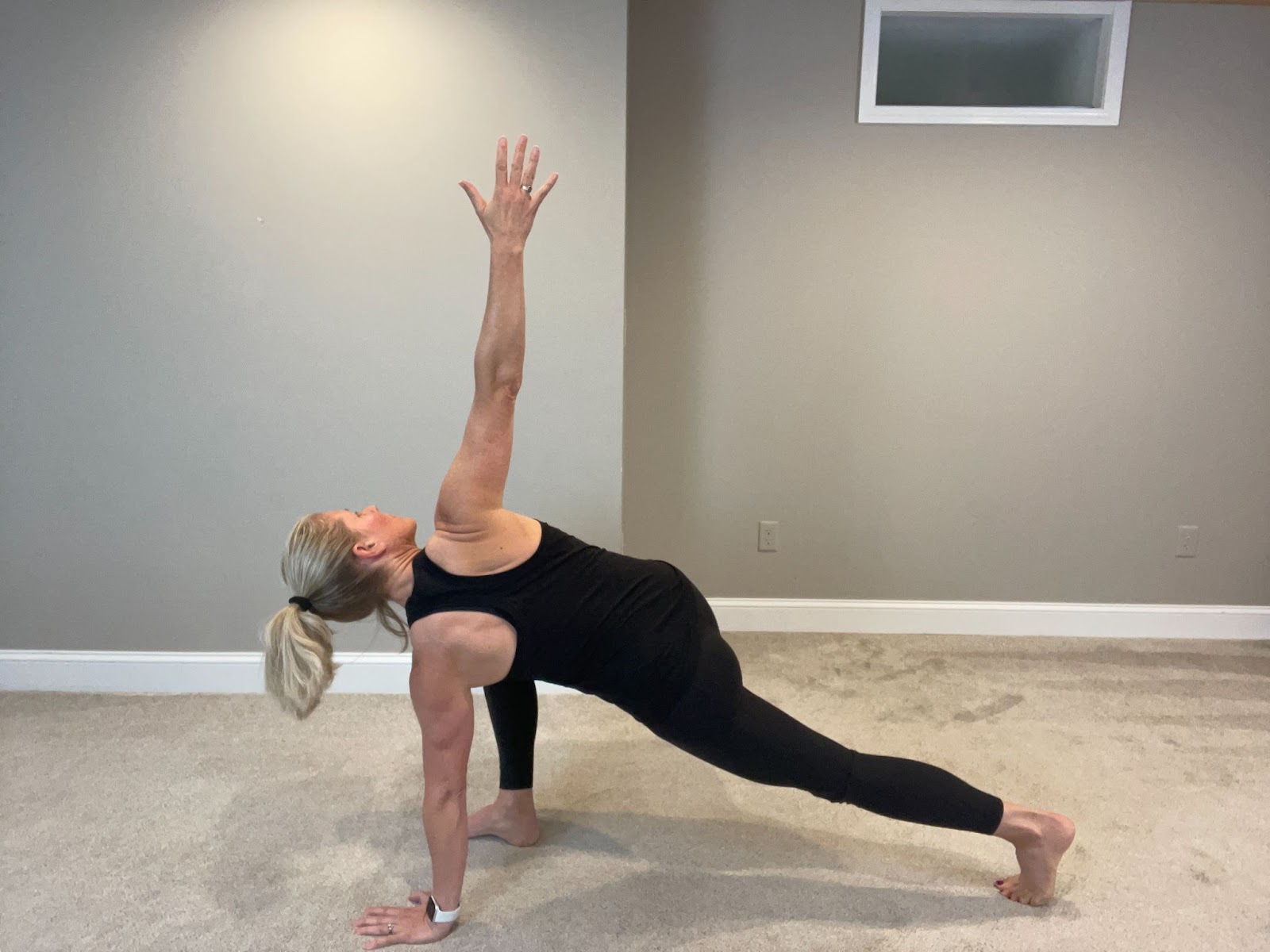
World’s Greatest Stretch – 30–60 seconds per side

A full-body stretch that hits your hips, spine, hamstrings, and shoulders all at once.

  • Step into a deep lunge with both hands on the floor inside your front foot.
  • Option to drop your back knee down for support.
  • Bring your inside elbow toward the ground, then rotate and reach that arm to the sky.
  • Hold and breathe for 30–60 seconds, then switch sides.

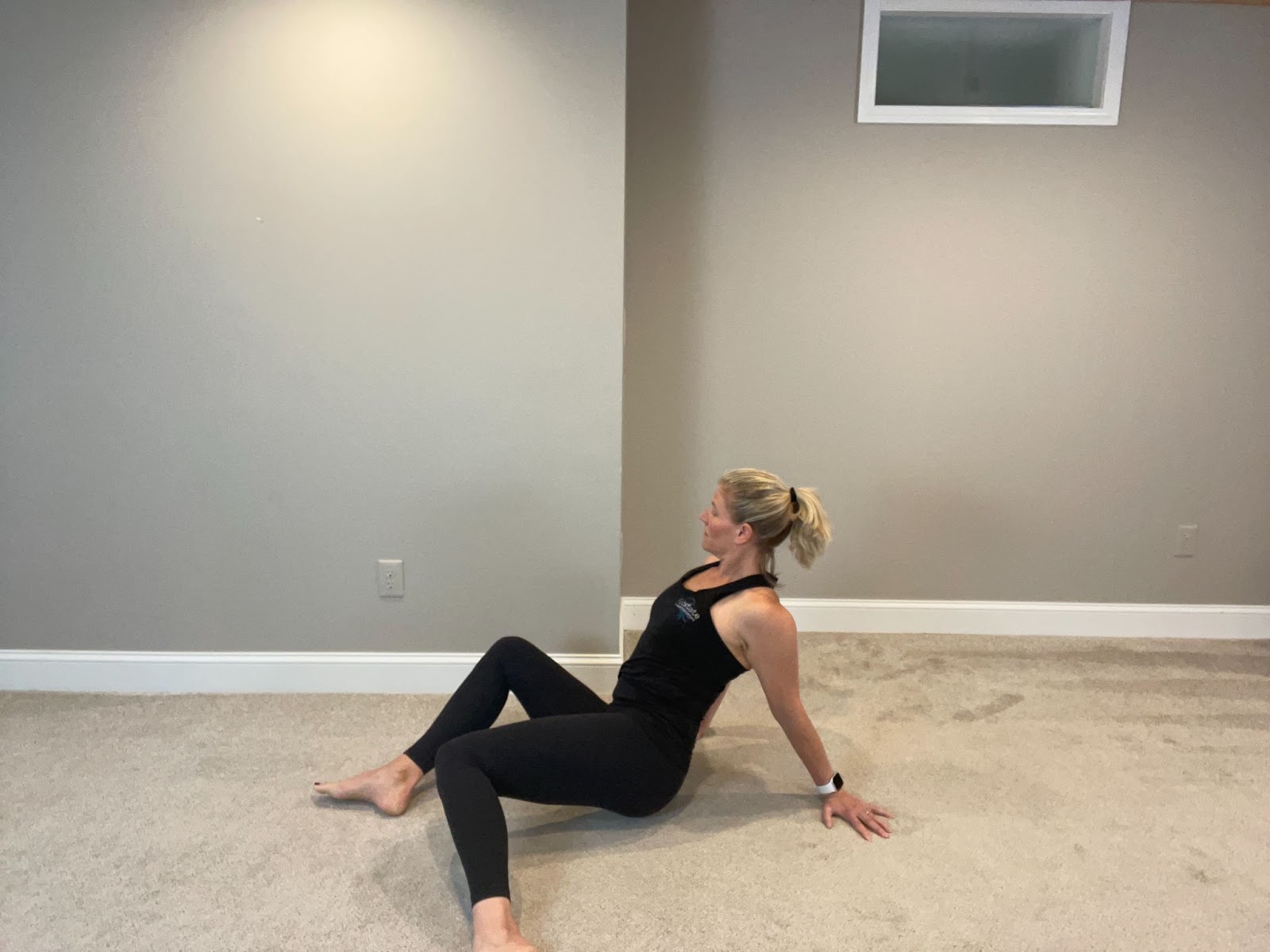
90/90 Hip Switches – 30 seconds per side

Wake up your hips and improve internal/external rotation.

  • Sit on the floor with both knees bent at 90° angles and hands behind you.
  • With a tall spine, rotate both legs to the one side, then the other.
  • Repeat the switch 6–8 times per side.

Deep Squat Hold – 1 minute

An incredible posture reset that opens up the hips, ankles, and spine.

  • Stand with feet shoulder-width apart.
  • Sink down into a deep squat, keeping heels flat.
  • Press your elbows into your knees to gently open your hips.
  • Option to reach one arm up to open the chest.

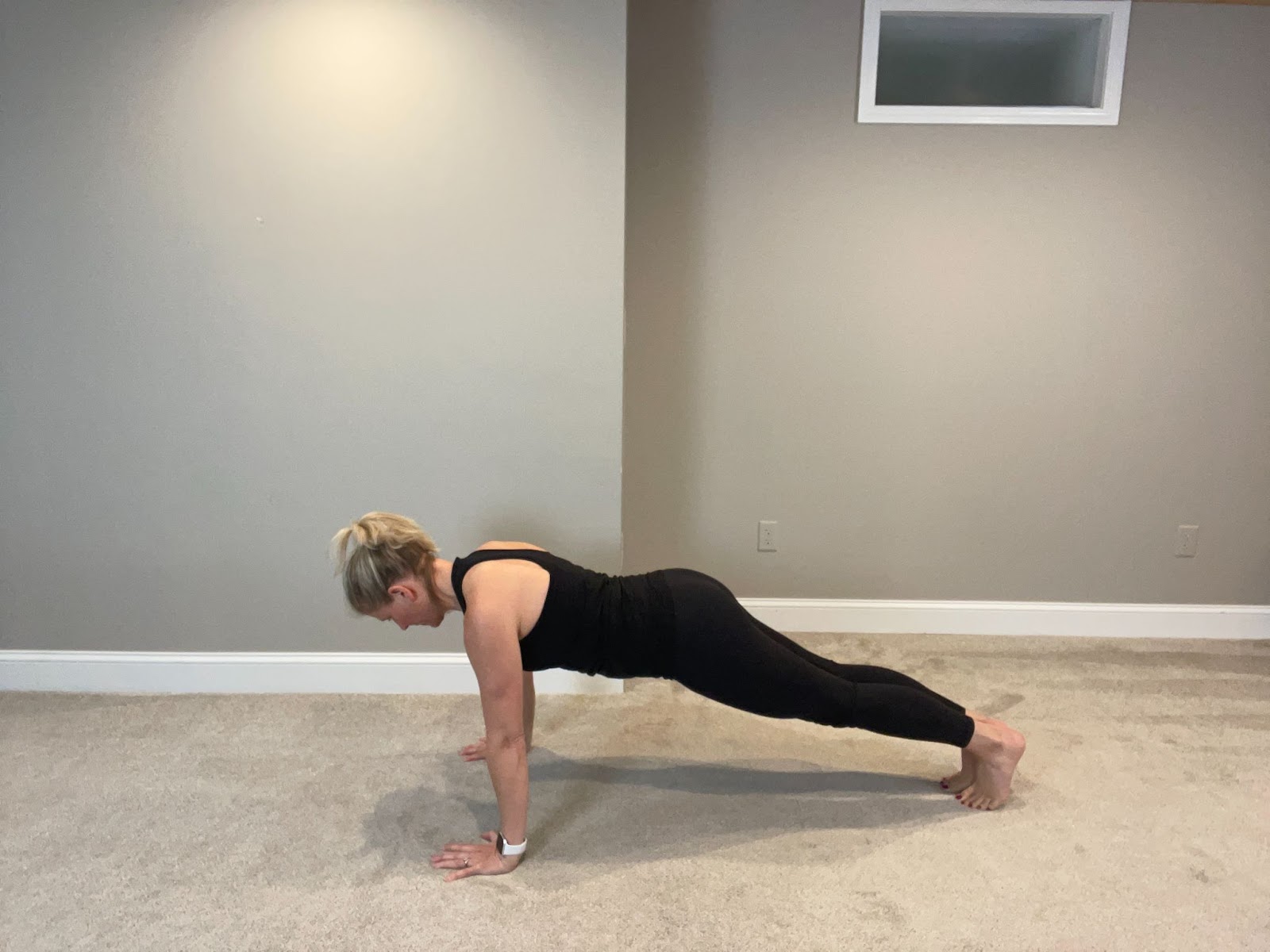
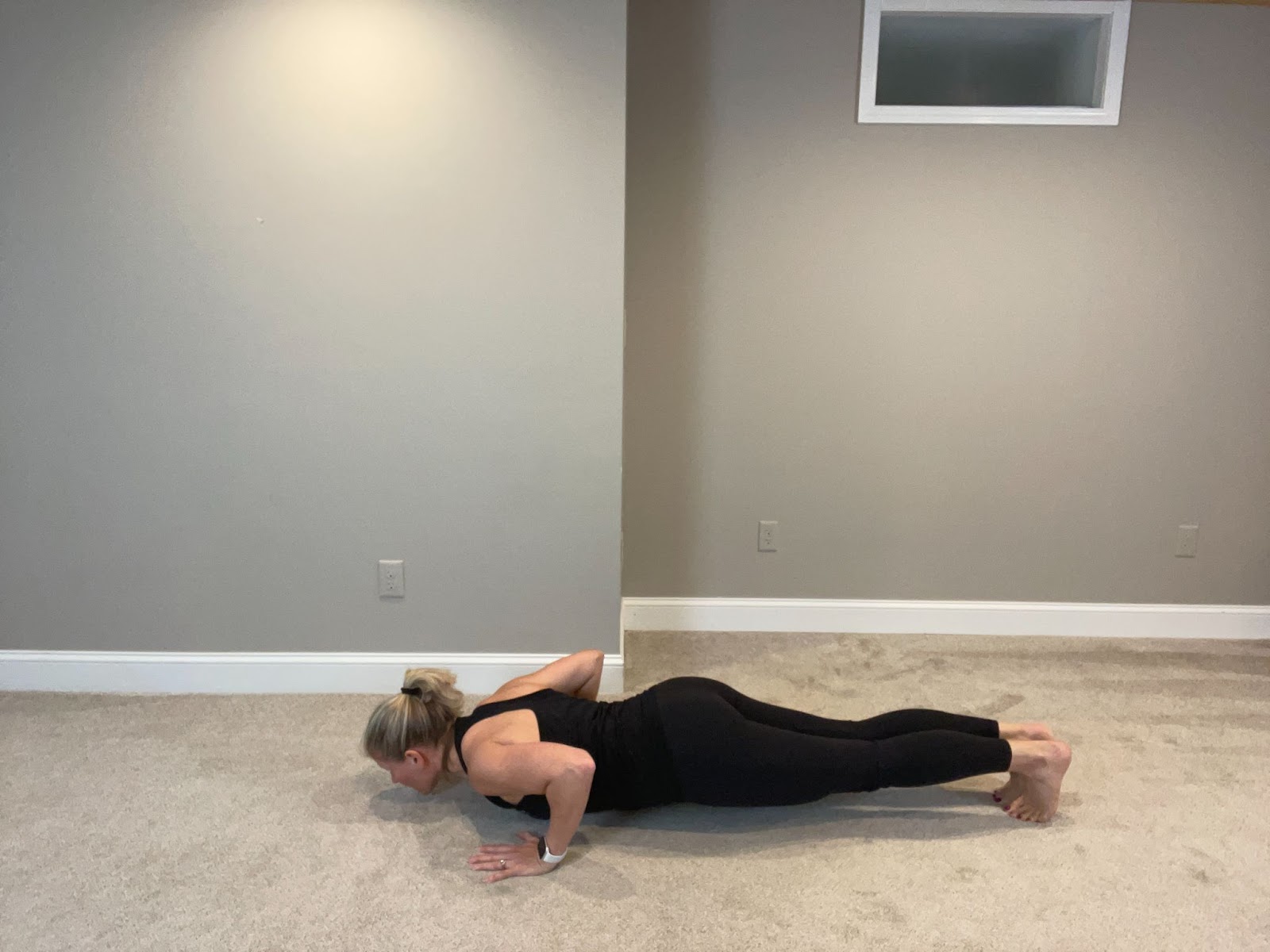
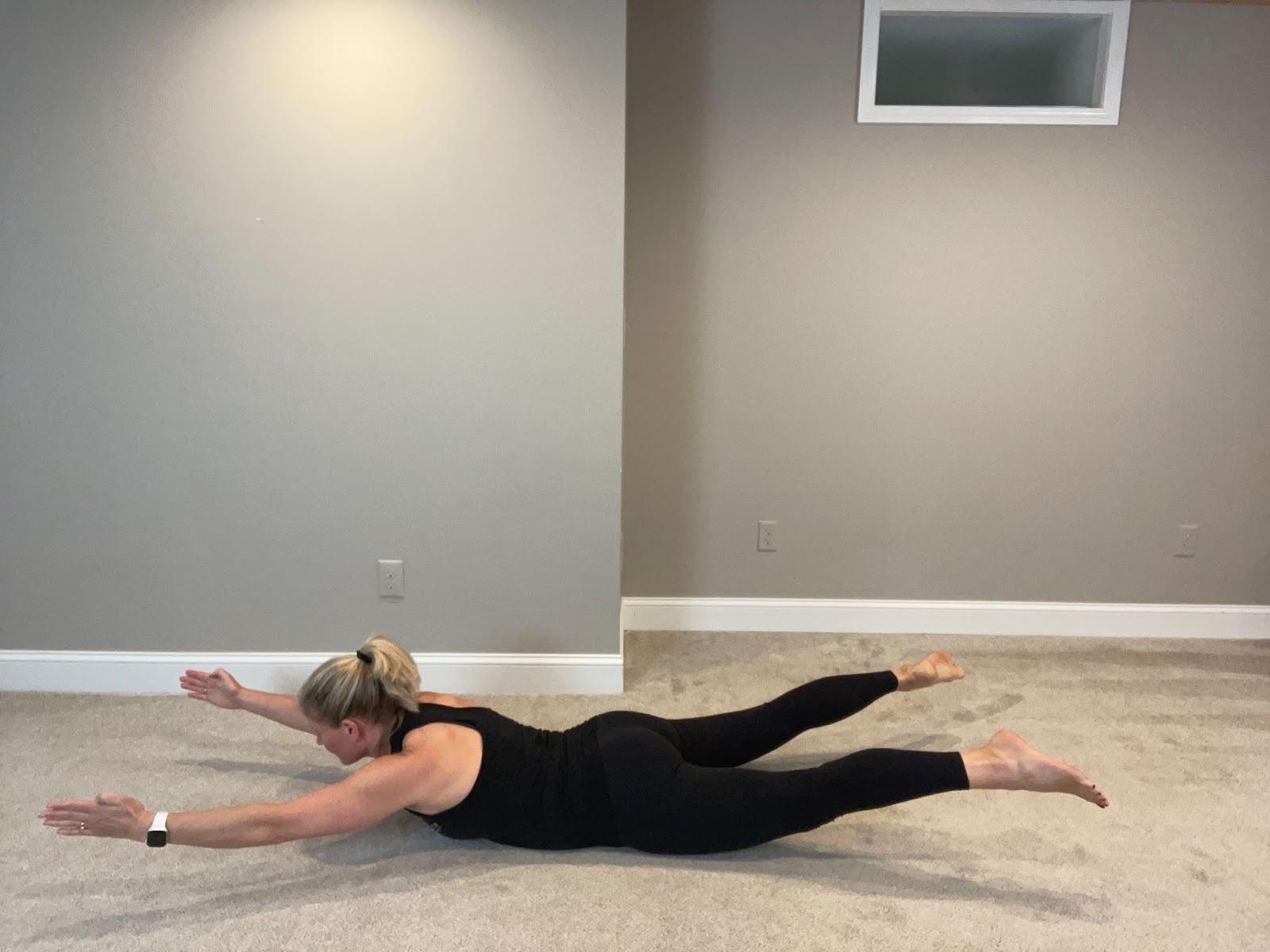
Superman Stretch with Push up – 3-5 times

Improves posture and strengthens posterior chain of the body

  • Start in push up position
  • Lower body to the ground with a straight and strong body
  • Extend arms long into “superman” form
  • Return hands under shoulders and push up to starting position

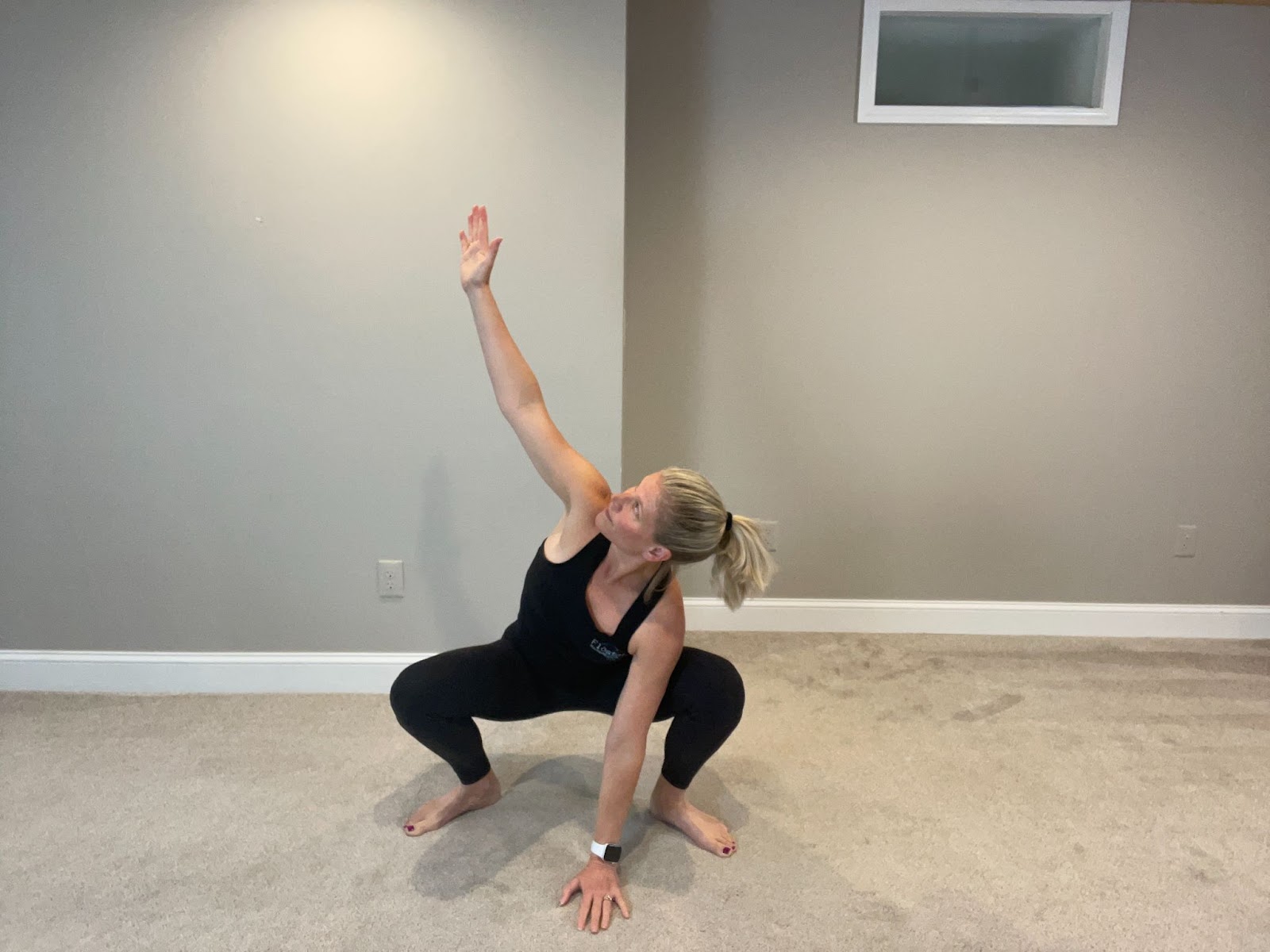
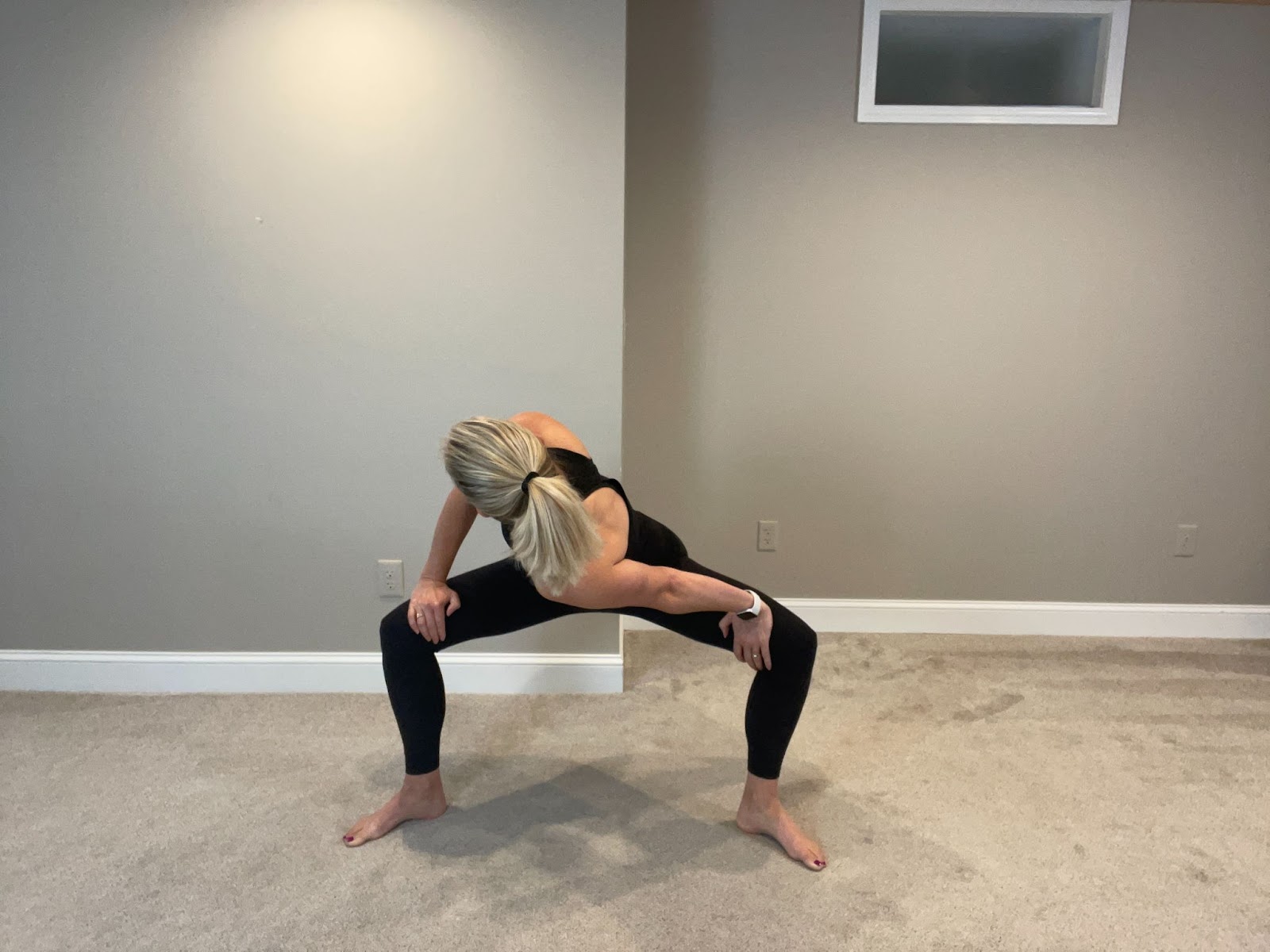
Deep Hip Stretch with Spinal Rotation – 4 times total (2 per side)

Releases spinal tension, mobilizes shoulders and stretches low back and hip complex.

  • Widen feet and sink into deep squat with hands on thighs. 
  • Leaning forward, press hands into thighs as you press one shoulder downward and you rotate the other upward. Look past your top shoulder.
  • Exhale on the twist and contract your abs gently.

Finish With a Few Deep Breaths

Pause for a few moments. Stand tall or rest in Child’s Pose.
Take 3 deep, slow breaths—and notice how much more awake and open your body feels.

Consistency is key 

Doing this simple sequence daily—or even a few times a week—can improve mobility, reduce tension, and help you reconnect with your body. You don’t need to overhaul your schedule. Just pause, move, and breathe.

Your desk-bound body will thank you.

Why Does My Shoulder Hurt?

Rachel Larson · February 3, 2023 ·

Worried about shoulder pain? You are not alone.  About 1 in 5 adults over the age of 40 experiences shoulder pain when reaching or performing overhead activities.

Understanding Rotator Cuff Pain

Most shoulder pain stems from a malfunctioning rotator cuff. The rotator cuff is made up of four small muscles in your shoulder, and its primary function is to stabilize the ball and socket of your shoulder joint. The rotator cuff, along with its tendons, (the attachment to the bone) work as a team to depress or pull the head of your bone down when reaching. If this action does not occur, your tendons can get pinched or “impinged” under the part of the shoulder called the acromion. If this occurs on a regular basis, say every time one reaches, the tendons and sometimes the nerves become irritated and inflamed leading to tendonitis. The rotator cuff needs space, movement and blood flow for optimal health.

Who is most at risk for shoulder pain?

Individuals most at risk for tendonitis are those that perform repetitive overhead movements or such as athletes and manual laborers. Poor posture can also affect the rotator cuff in individuals that are sedentary and/or tethered to desks and computers. Remember, I said space, movement and blood flow are necessary for a happy team of muscles. Habitual poor posture and workstation ergonomics “pinch” the tendons with forward rounded shoulders. The anterior (front) muscles of your chest known as the pectoralis muscles shorten and become overly tight. If these muscles are not allowed to relax and lengthen, further damage to the tendons may occur when asked to perform. Weekend warriors, recreational athletes or inconsistent exercise can exacerbate the problem. One cannot sit 8+ hours and then play a tennis game or round of golf and expect good shoulder performance.

What do I do if I am experiencing pain when reaching my arm outward or overhead?

It is important to properly diagnose the type of shoulder pain and have it addressed promptly  to avoid chronic tendon weakness, degeneration or tears in the cuff muscles. Physical Therapists are movement experts. They can evaluate, educate, and provide prescribed exercises to get the cuff muscles working as a team again. If you have nagging shoulder pain that is impairing  your ability to perform daily routine tasks, schedule an appointment with a Physical Therapist. You do not need a referral to a Physical Therapist in the state of Minnesota.

Thankfully, most rotator cuff tendonitis or shoulder pain is easily resolved with specific exercises that target the faulty mechanism. Although every case is different and an assessment by a physical therapist is preferable, we encourage you to check out this video for an exercise you can do today. Remember if shoulder pain is severe, contact your doctor or a physical therapist.


Learn more and visit us at www.theflostate.com.

Join us on Social Media!

  • Email
  • Facebook
  • Instagram
  • YouTube

The Flostate | PO Box 251155, Woodbury, MN 55125 | info@theflostate.com | 651-412-1778

The Flostate

Copyright © 2026 Flostate · All Rights Reserved · Log in